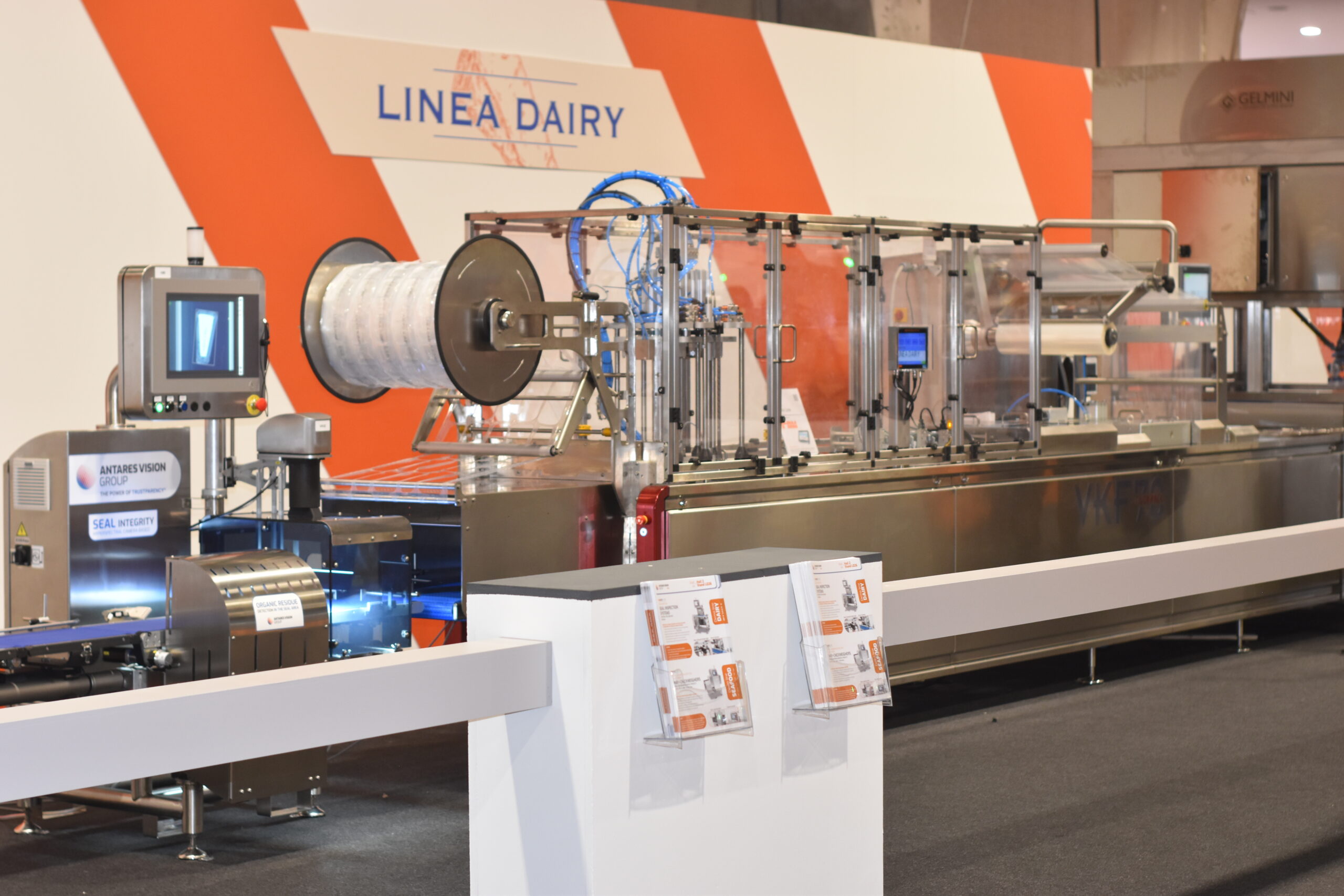
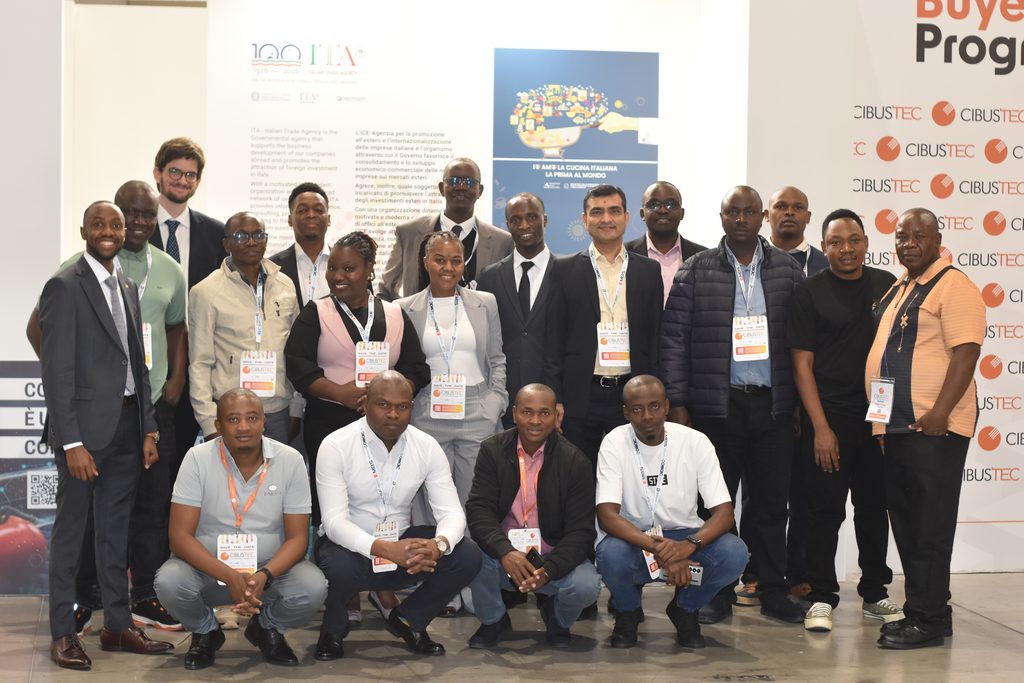
In a major push for regional food security, the Italian Trade Agency, in collaboration with Fiere di Parma, has sponsored 17 Kenyan companies and three Tanzanian companies to participate in the 44th edition of Cibus Tec 2026 in Parma, Italy. This strategic initiative gave more than twenty East African agribusiness leaders direct access to the world’s most advanced food technologies.
Organized by Koeln Parma Exhibitions, Cibus Tec serves as a vital global intersection, connecting food industry stakeholders with the specialized companies that produce backend industrial machines. This year, the massive event brought together over 40,000 professional trade delegates from across the globe, alongside 1,300 companies and brands representing over 35 countries, with international machinery builders accounting for roughly 30 percent of the entire footprint.
While this collaboration highlights a successful international trade bridge, its deeper significance lies in addressing one of the most critical economic and humanitarian crises facing sub-Saharan Africa today: post-harvest food loss.
“When discussing food insecurity, the public conversation often focuses heavily on farm yields, drought, and crop production,” said Thomas Rosolia, President of Koeln Parma Exhibitions. “However, the most devastating vulnerability in Africa’s food system occurs long after the crops are pulled from the ground,” he added.
Indeed, due to an acute shortage of cold storage, efficient processing, and modern packaging facilities, a massive percentage of perfectly healthy food in Africa spoils before it ever reaches a consumer’s plate. This means African farmers are working incredibly hard to cultivate food that ultimately goes to waste, taking potential revenue and vital nutrition along with it.
To break this cycle and protect these harvests, industry experts note that African agriculture must undergo a massive shift toward local value addition.

Right now, much of the continent’s agricultural economy relies on exporting raw, unprocessed commodities like fresh fruits, vegetables, coffee, and grains to other nations. These raw goods are sold at a low cost overseas, processed and often imported back into Africa as expensive, packaged items. By failing to process food locally, African economies lose out on massive financial returns, jobs, and long-term food stability.
True food security can only be achieved when African agribusinesses have the industrial capacity to clean, dry, preserve, pasteurize, and package their own harvests. Making effective value addition a reality, however, requires highly specialized machinery, and this is exactly why partnerships with advanced economies through exhibitions like Cibus Tec are so vital.
By providing direct access to the engineering firms that manufacture automated sorting lines, state-of-the-art pasteurizers, and sterile packaging systems, these partnerships allow African food producers to bypass traditional middlemen and negotiate directly with top-tier industrial engineers.
“When local businesses acquire the tools to extend shelf life, minimize spoilage, and meet strict global safety standards, they do more than just protect food. They turn the ideal of African value addition into a practical, scalable reality—laying the foundation for a prosperous, self-reliant, and food-secure continent,” said Rosolia.